Кількість переглядів :
Морські перевезення – основний спосіб доставки в логістиці. При цьому гостро постає питання регулювання відносин між постачальниками та замовниками. Такий регламент вже існує – це морське право. Воно діє в рамках імпорту та експорту продукції. Компаніям, які займаються міжнародною торгівлею, необхідно дотримуватися правових норм, а для цього потрібно зрозуміти, як працює морське право, що це таке і яка відповідальність передбачена. Нюансів у цій темі багато, тому варто їх розібрати.
Визначення морського права
Що таке морське право? Це окрема галузь, яка організовує та контролює відносини сторін у сферах використання Світового океану, у галузі судноплавства та торгівлі. Основні функції цієї галузі полягають у:- регулюванні поведінки всіх учасників вантажоперевезень;
- правовому та компенсаційному захисті майнових інтересів;
- створенні та регулюванні нормативів для торгівлі між країнами;
- забезпеченні охорони навколишнього середовища.
Питання, які регулює міжнародне морське право
Воно охоплює всі сфери відносин у галузі судноплавства: використання транспорту, логістика, комерційна взаємодія між учасниками угоди та вимоги щодо забезпечення безпеки. Основні питання, які вирішує ця галузь, стосуються:- організації вантажоперевезень;
- оформлення договорів;
- реєстрації суден;
- використання портів;
- страхування транспорту та вантажу;
- проведення рятувальних операцій;
- запобігання забрудненню Світового океану.
Основні учасники морських правовідносин
В організації вантажоперевезень беруть участь кілька сторін:- судновласники;
- перевізники;
- власники вантажів;
- державні органи та міжнародні організації.
Яку роль відіграє морське право в міжнародній логістиці
Сучасна логістика регулюється єдиними правовими нормами. Морське право в міжнародній торгівлі забезпечує прозорість відносин між учасниками поставок, знижує комерційні ризики. Нормативи забезпечують стабільність імпорту та експорту, регулюють спори, підвищують безпеку вантажоперевезень.Які міжнародні конвенції діють у сфері морського права
Морські перевезення регулюються правилами, які базуються на інтернаціональних угодах, серед яких:- UNCLOS – конвенція ООН з морського права.
- SOLAS – конвенція про охорону людського життя на морі.
- MARPOL- конвенція про запобігання забрудненню з суден.
- Міжнародні правила вантажоперевезень, включаючи Гамбурзькі та Гаазькі правила.
Відповідальність сторін під час морських перевезень
Кожен учасник міжнародної логістики має певні зобов’язання. Так, судновласники забезпечують технічну справність транспортного засобу, відповідність нормам безпеки. Перевізники відповідають за доставку товару або продукції в схоронності до пункту призначення. При пошкодженні або втраті вантажу вони можуть бути зобов’язані відшкодувати завдані збитки, якщо інцидент стався з їхньої вини, і вони не зможуть довести свою непричетність. Власник вантажу зобов’язаний надати інформацію про нього, оплатити послуги, підготувати документи. Якщо порушення з його боку стали причиною збитків або додаткових витрат, то він несе за це відповідальність.Важливість розуміння морського права для бізнесу
Морські перевезення вантажів – основа міжнародної логістики та торгівлі. Причому це складний процес, який зачіпає різні сфери законодавства кількох держав. Розуміння прав та обов’язків кожного учасника процесу допомагає оцінювати ризики, уникати проблем з оформленням документів та захищати свої інтереси у спорах. Для компаній знання та дотримання морського права при організації вантажоперевезень – це не лише спосіб уникнути фінансових збитків та юридичних конфліктів, а й можливість ефективно розвивати бізнес.
Viktor Kravchenko
Схожі статті
14 Травня, 2025
Бізнес в США
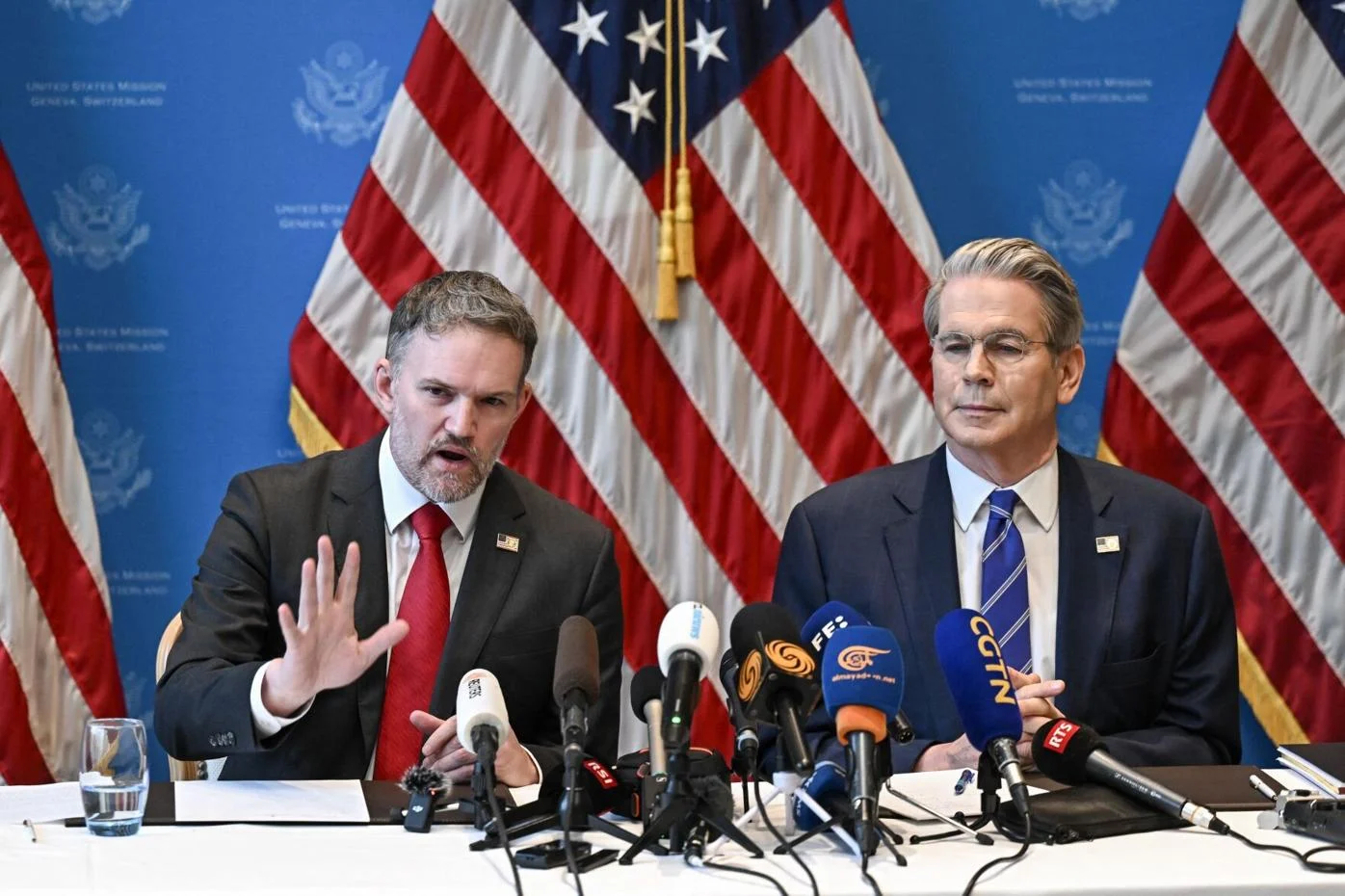
США та Китай тимчасово знизили мита: нові можливості для міжнародного бізнесу
Дізнатись більше


31 Січня, 2025
Маркетплейси
Що продається найкраще на Amazon: топ-5 перспективних категорій
Дізнатись більше

25 Жовтня, 2025
Маркетплейси
G8TOUS отримала статус перевіреного партнера Amazon SPN: новий рівень довіри та міжнародного визнання
Дізнатись більше